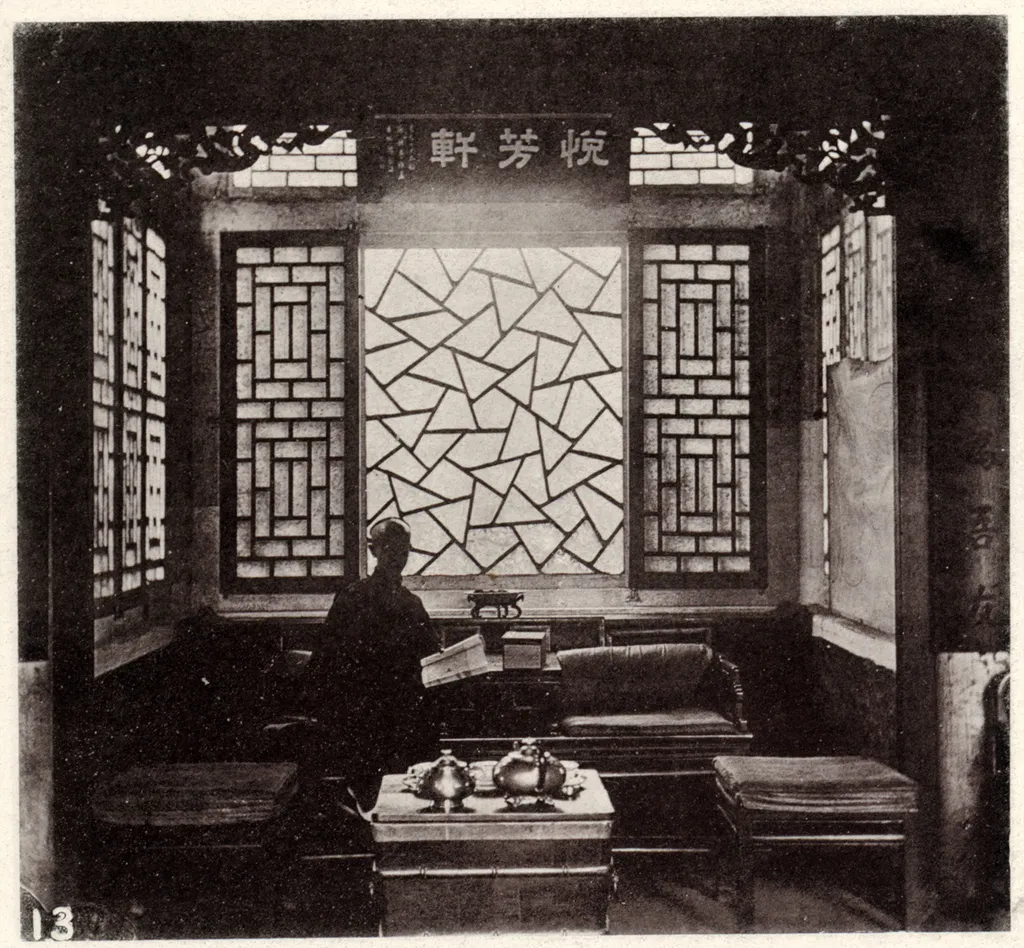
Between 1868 and 1872 Scottish photographer John Thomson made a series of trips in China travelling from Hong Kong to Beijing by boat and from Shanghai up the Yangtze to the Three Gorges.
He produced a book of over 200 photos arranged as a travelouge taking Europeans into Chinese homes of rich and poor. The photo above for example was taken in the home of Mr. Yang "a gentleman enormously rich, and holding an official rank in Peking.” (Thomson was clearly enchanted with Yang’s courtyard home which he described as "a paradise.”)
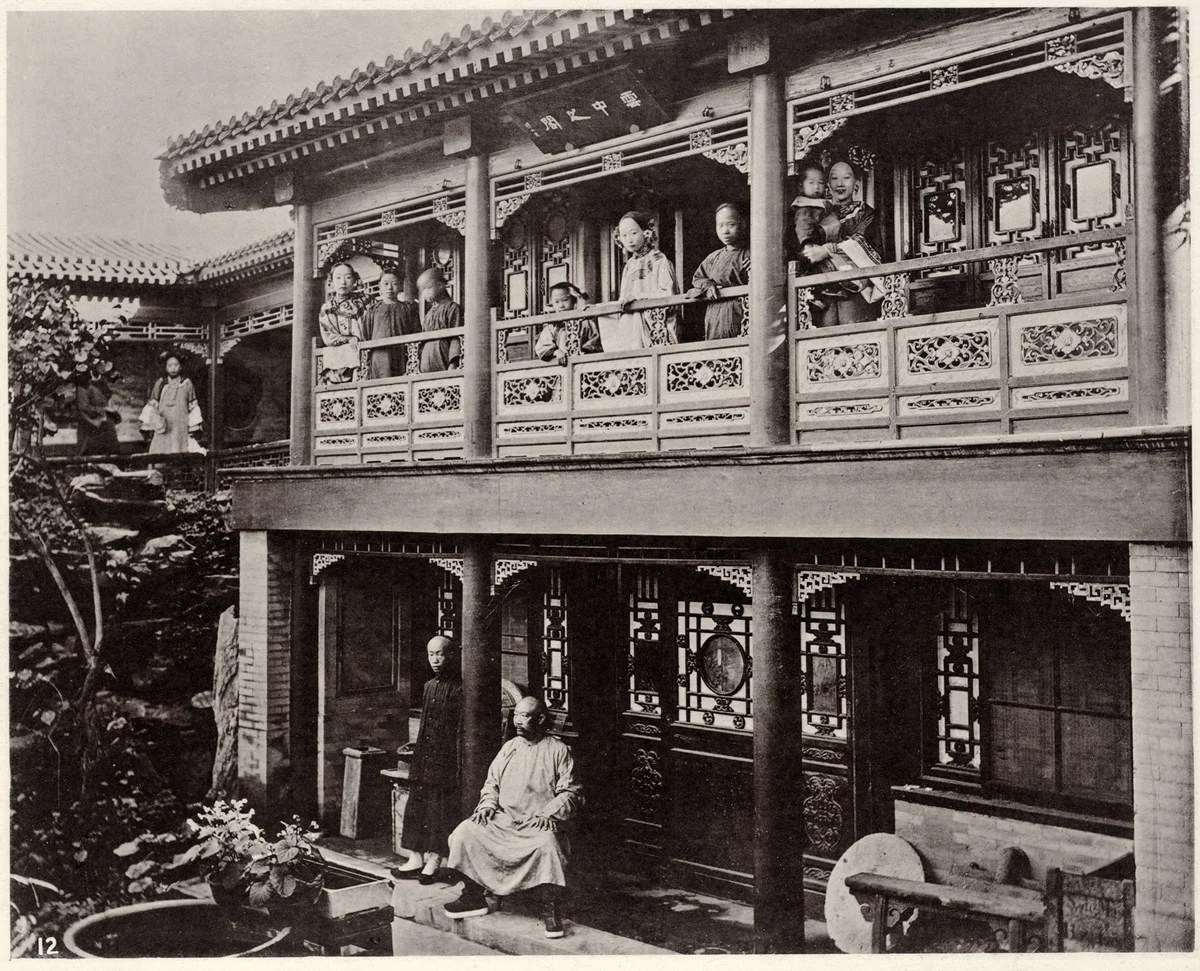
Many of the interior windows were covered with rice paper. Thomson noted that women (who were sequestered from the men) would touch their tounges to the paper making it temporarily transparent to peer through the spots as he passed by.
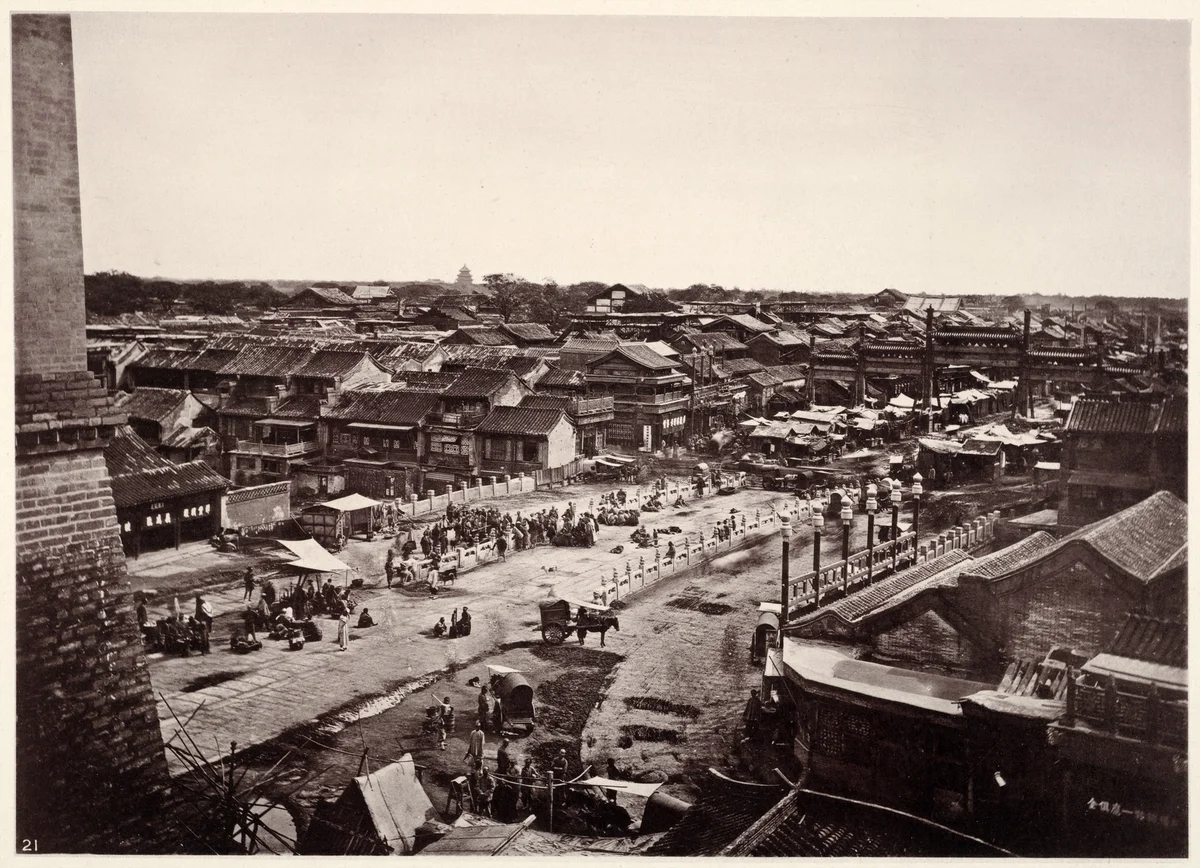
Look at these images full sized. There’s a lot hidden in the details. Unlike many other early photographers he didn’t spend all his time photographing palaces and ruins. He also captured a lot of daily life including peasants, merchants, and criminals.
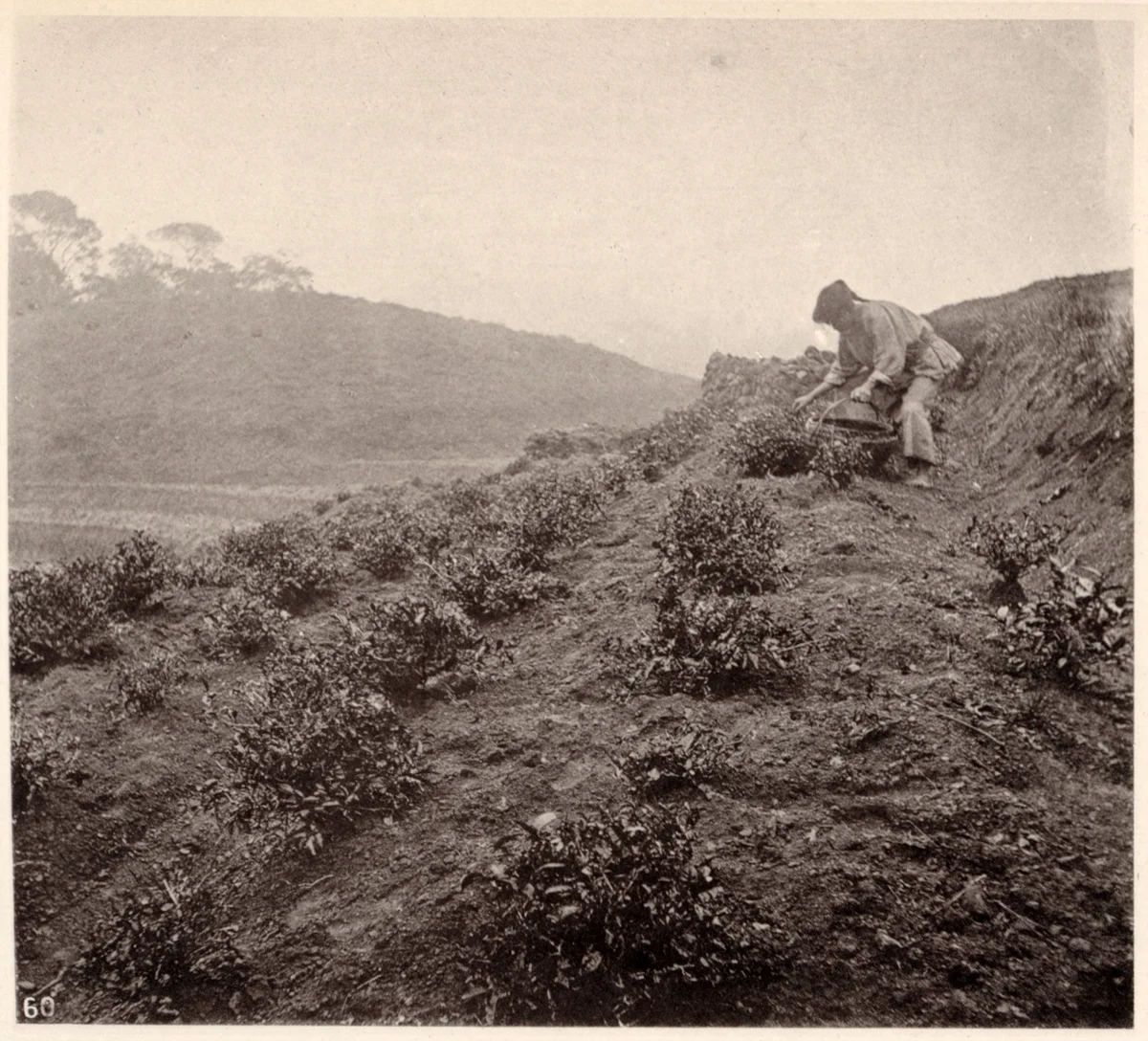
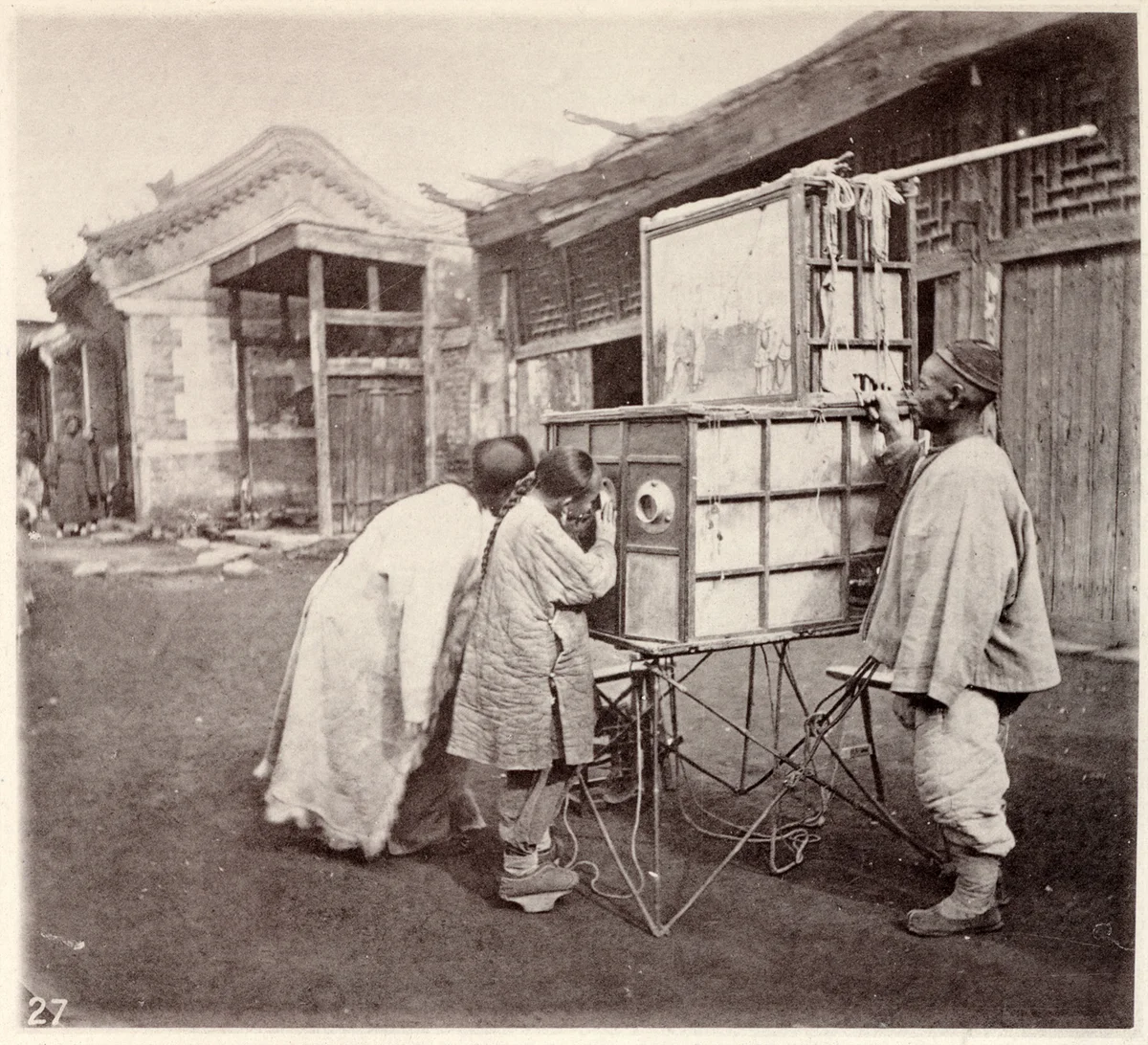
It’s an extraordinary peek into a the complex layered society that would be swept away by the series of wars and revolutions that would roil China for the much of the next 80 years.
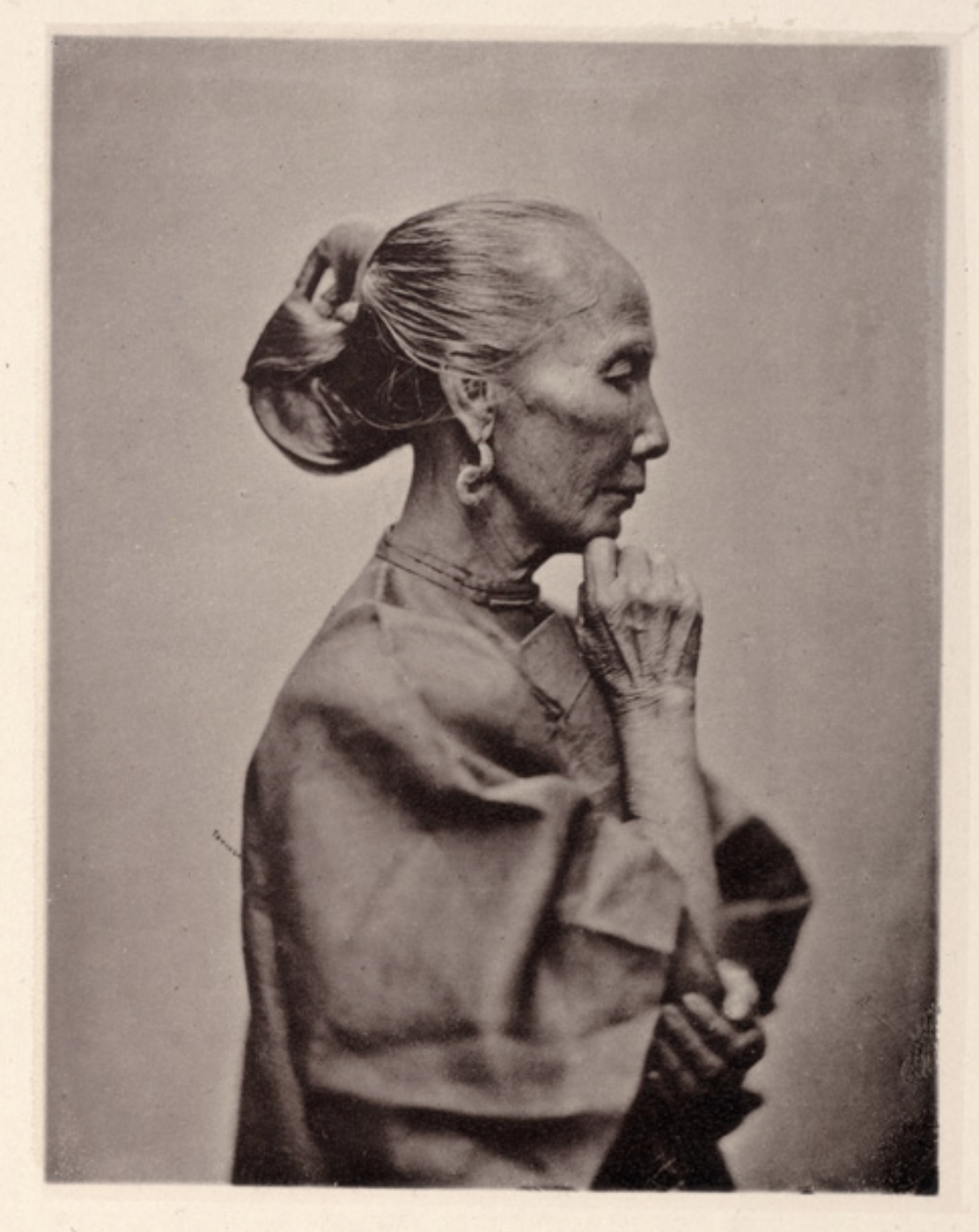
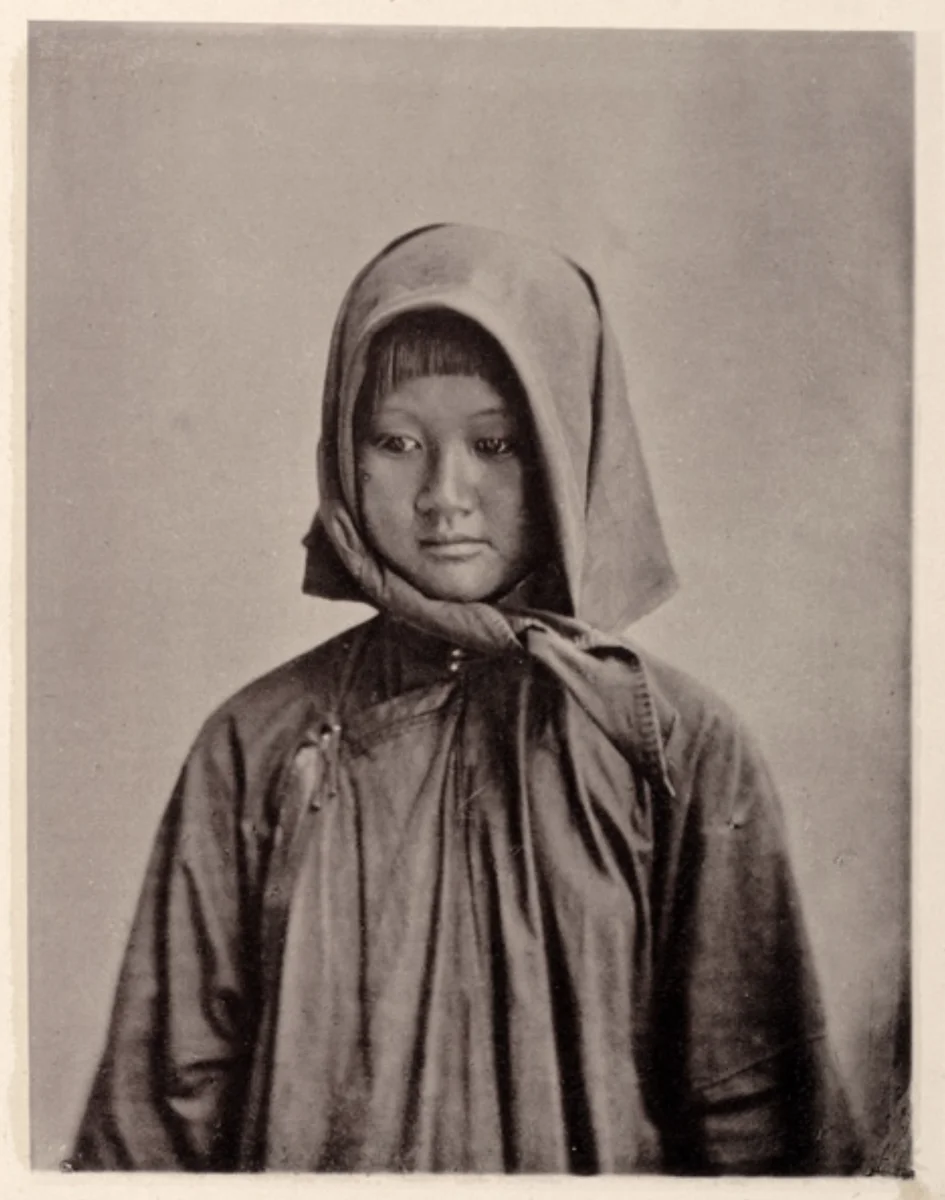
More early photography from China: Historical Photographs of China, Shackford Collection, Cornell University Collection (search for “China") .
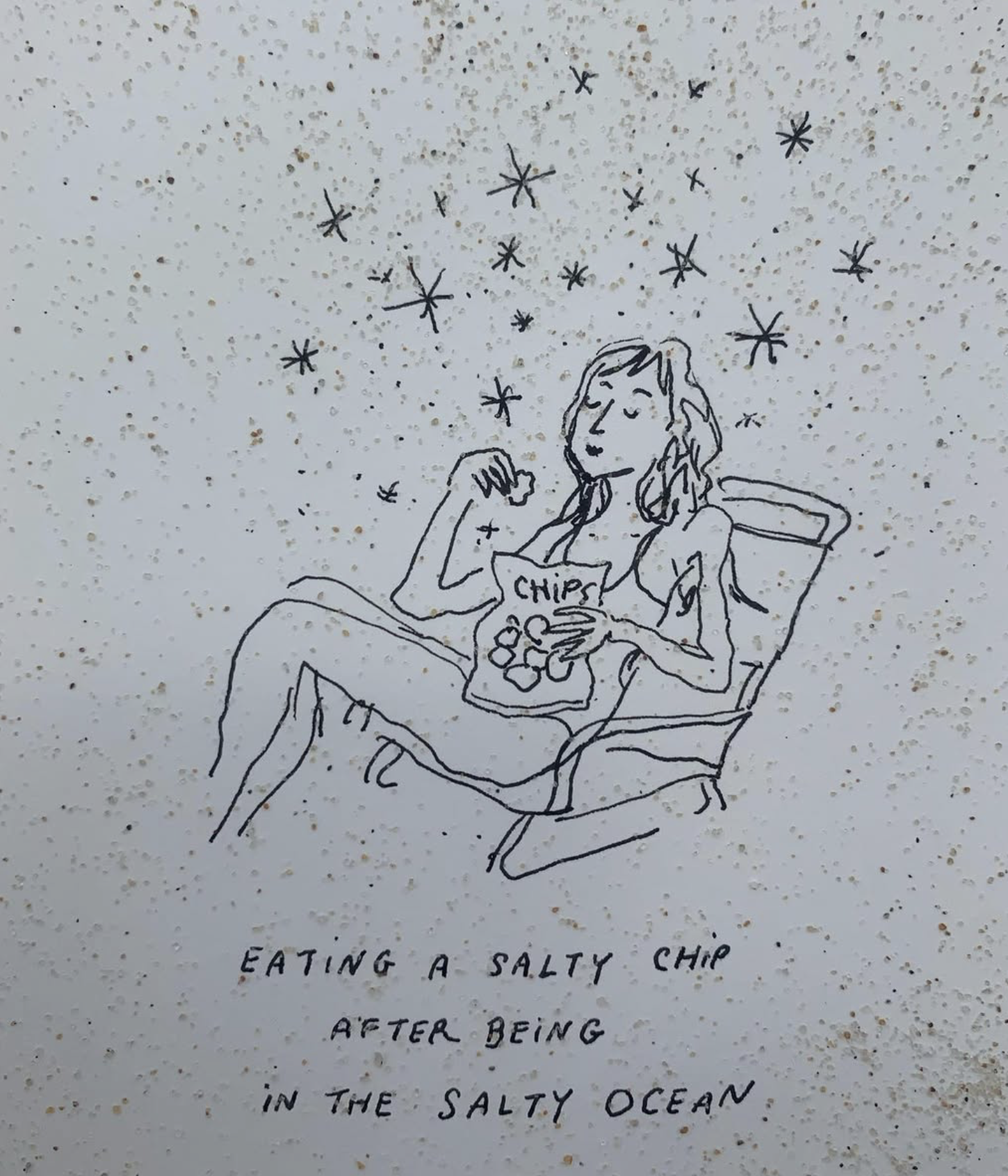 As someone who’s enjoyed following her
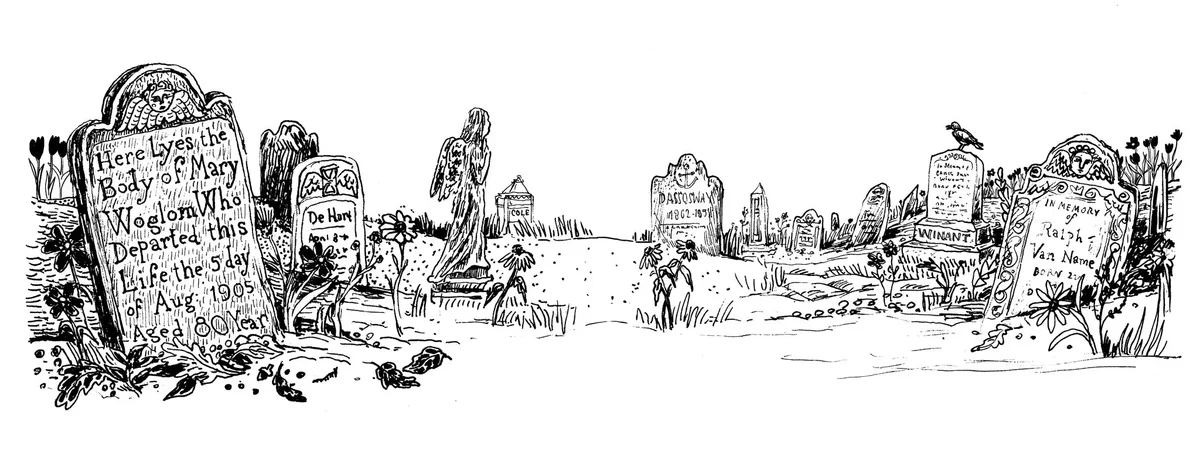 Today’s NY Times posted a









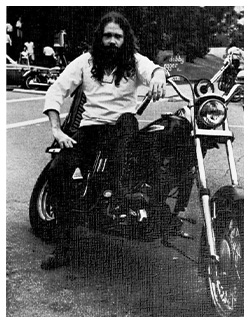 Six months later he would return with amazing homemade electronics. His Wybornator device was a modem that that ran 4x the speed of any modem we could buy and allowed us to dial anywhere in the world for free. We were pretty sure he was in the CIA (or working for the Russians… we could never decide).
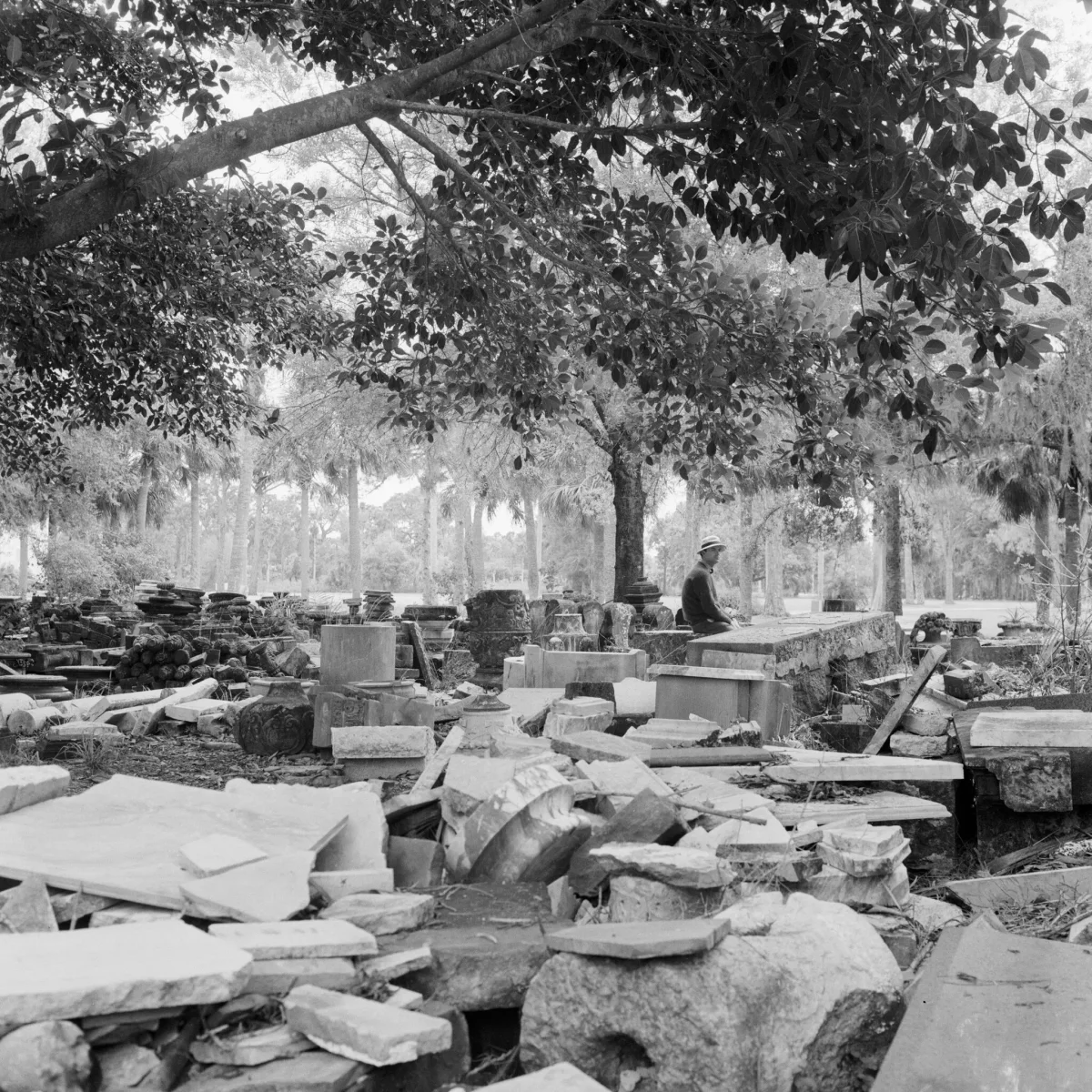
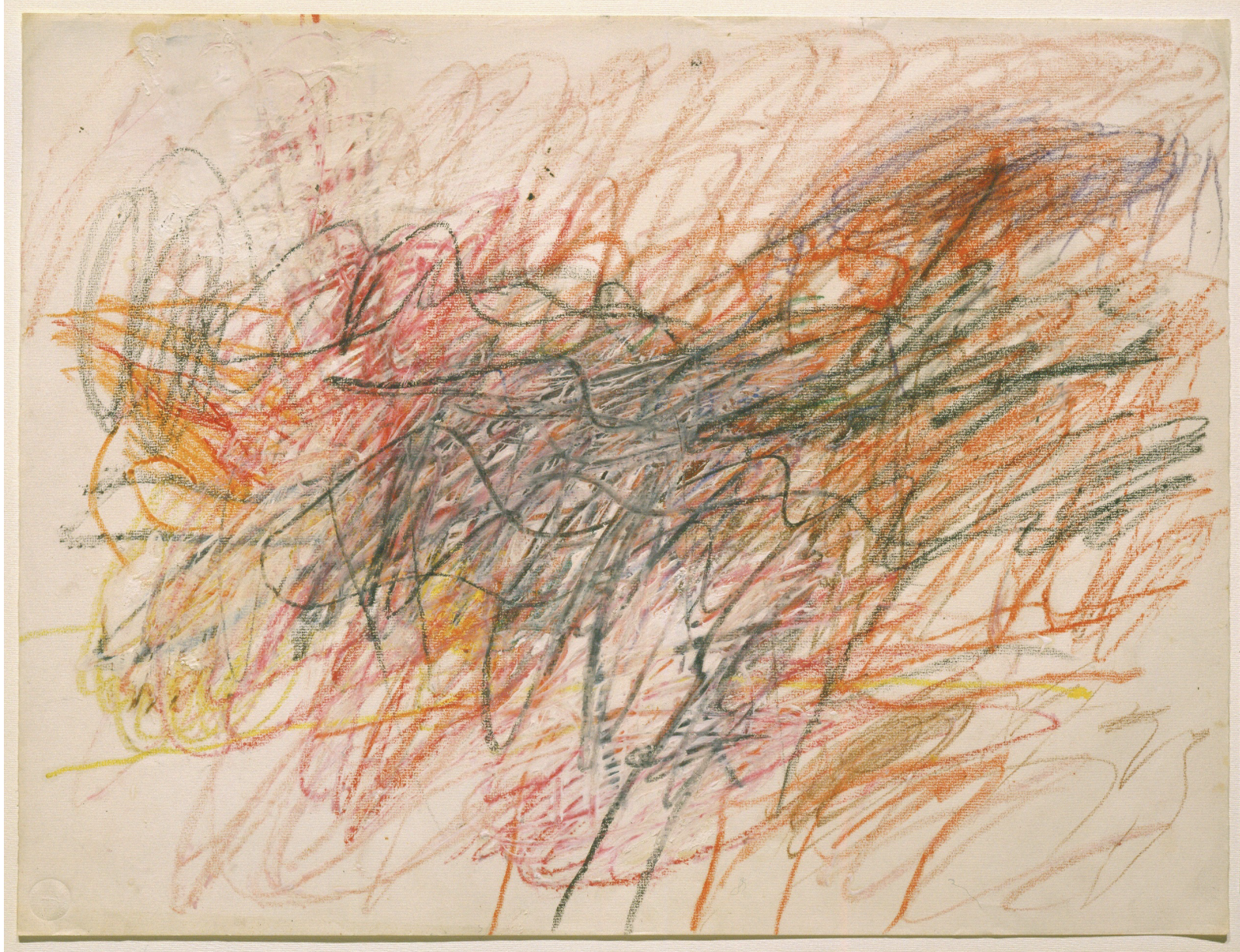 Twombly once famously said that he would sit thinking for a few hours before making a painting in 15 minutes.
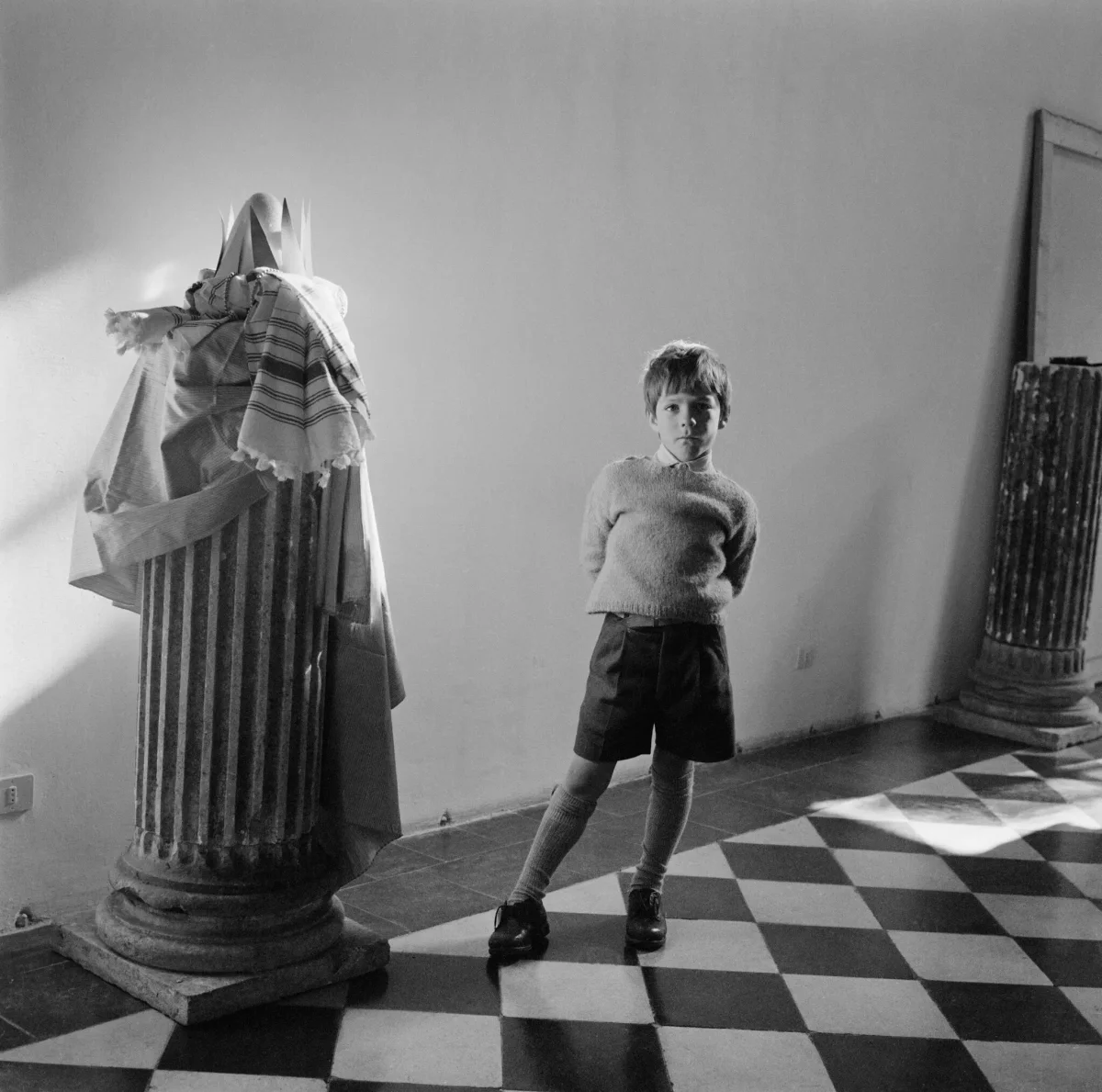
 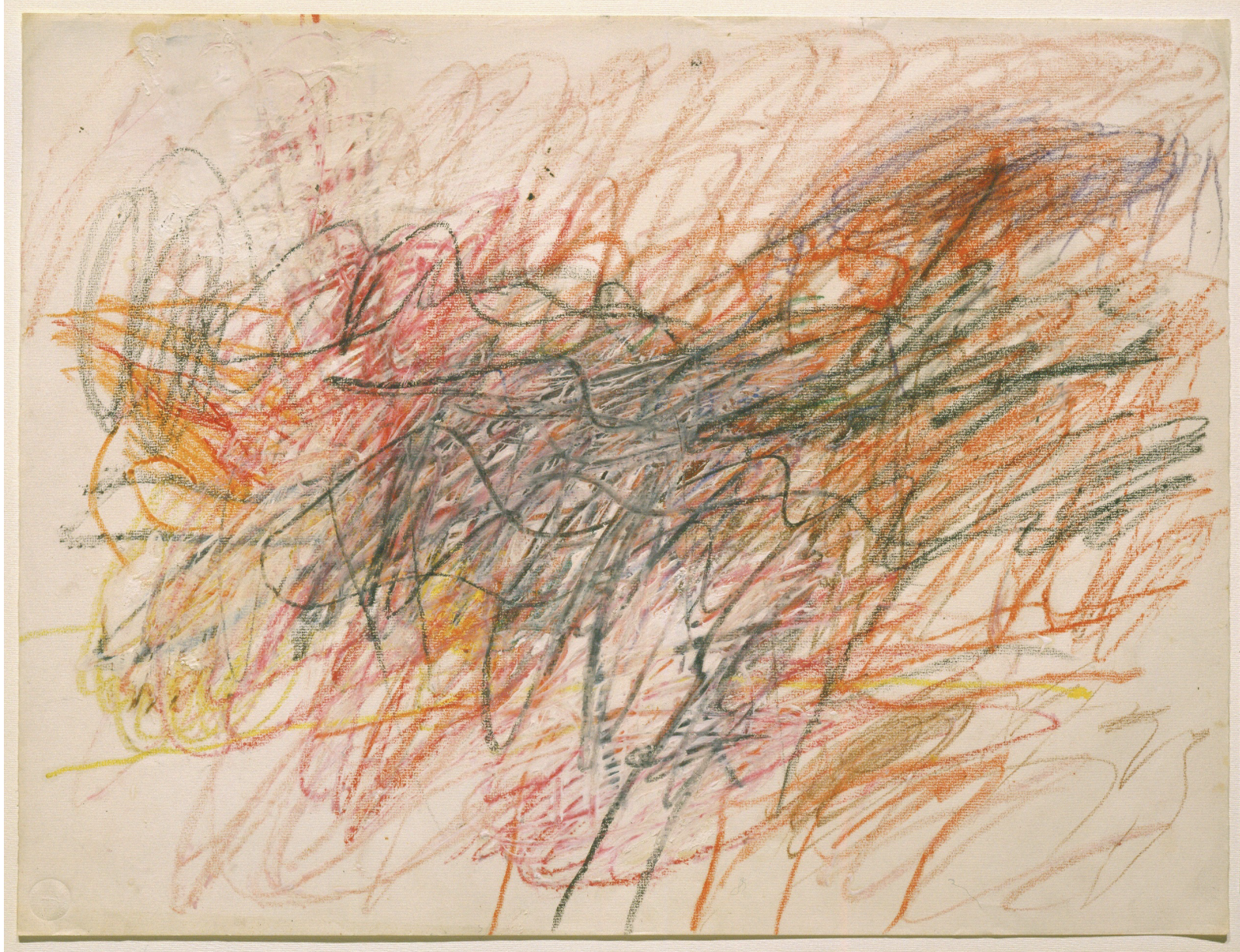 He didn’t talk much about his work (the word “enigmatic” is often used to describe him), but people in his circle clearly adored him and always mentioned his intellect. If you’ve ever done deep dives on Twombly, you might have noticed that stories about him often featured unusually good photography.